
Operating System
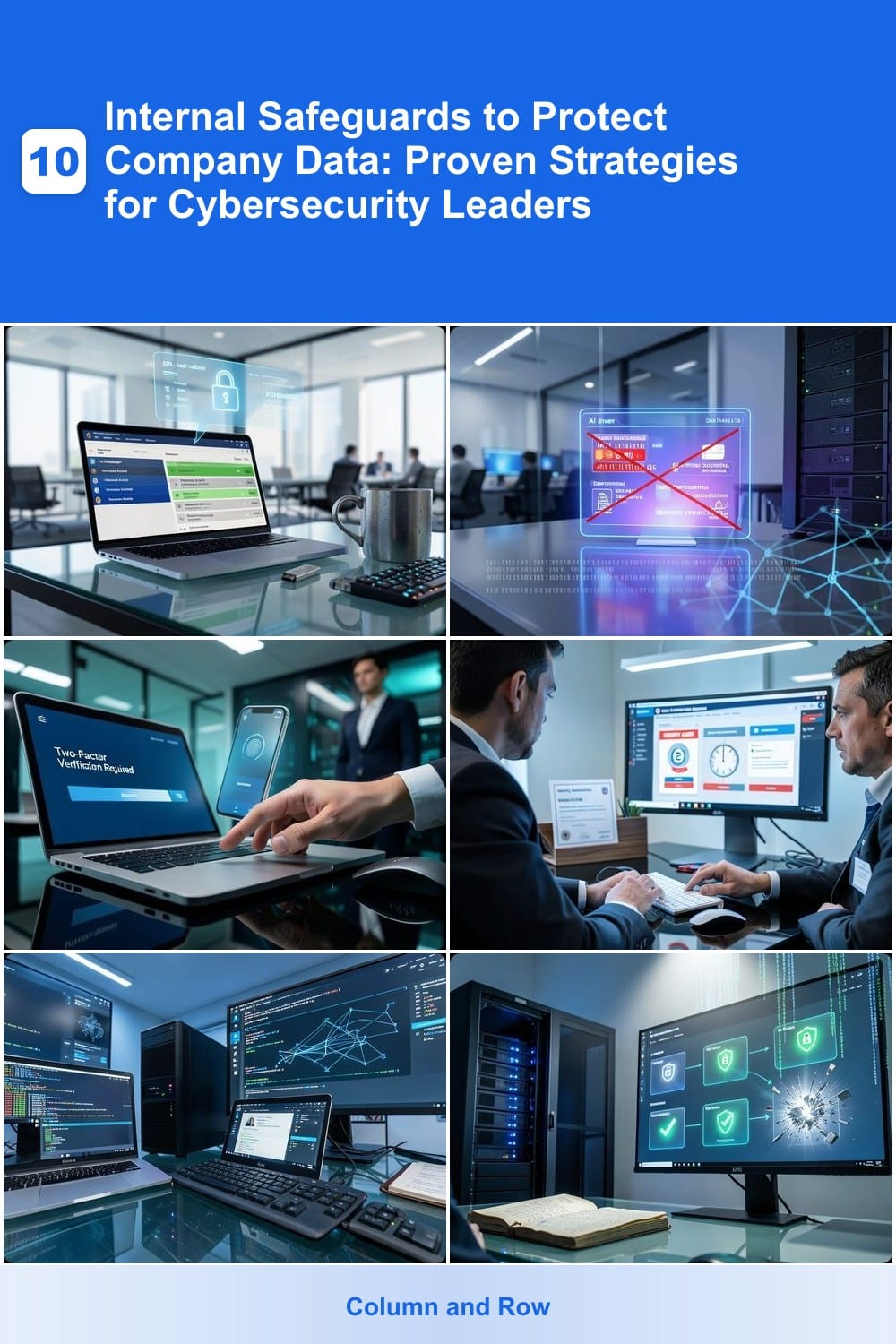
Data breaches cost businesses billions annually—yet most security failures stem from internal vulnerabilities. These 10 proven safeguards empower cybersecurity leaders to build robust defenses against insider threats, human error, and sophisticated attacks from within the organization.
Role-Based Access Control Implementation
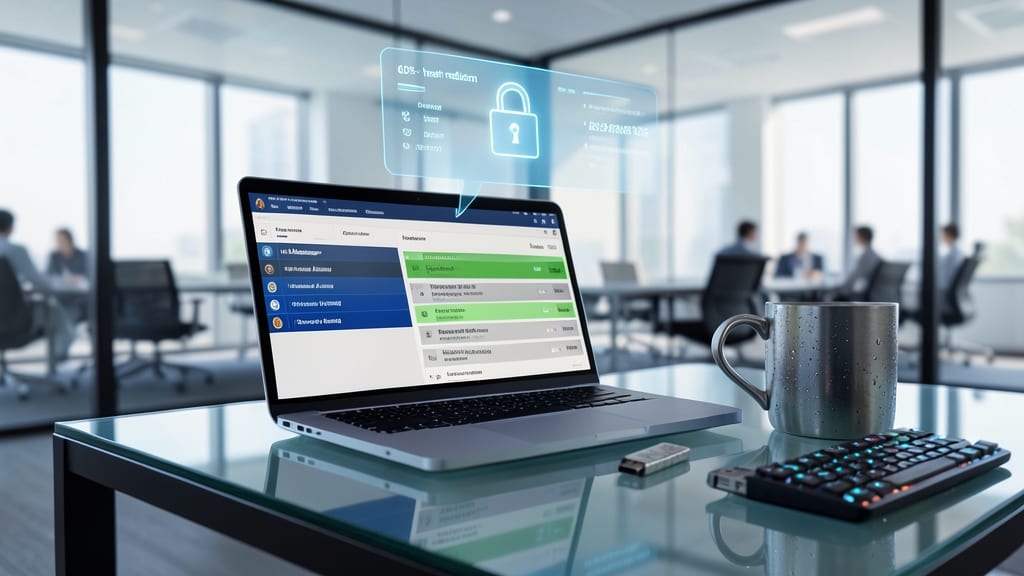
Tired of data breaches that start with an employee accidentally sharing confidential files? Role-Based Access Control (RBAC) is your first line of defense, ensuring only authorized personnel access specific data—cutting internal threats by 60%+ when configured correctly.
This system assigns permissions based on job roles (e.g., HR sees payroll, finance sees budgets), integrating seamlessly with tools like Microsoft Active Directory or Okta. Features like just-in-time access and automated expiration further tighten security without slowing workflows. Studies show companies with RBAC reduce accidental leaks by 75% and insider threats by 50%.
Ideal for mid-sized businesses to enterprises, RBAC scales effortlessly and integrates with SIEM tools for real-time monitoring. Start with a pilot in high-risk departments like legal or finance. ✨
Automated Data Loss Prevention Systems
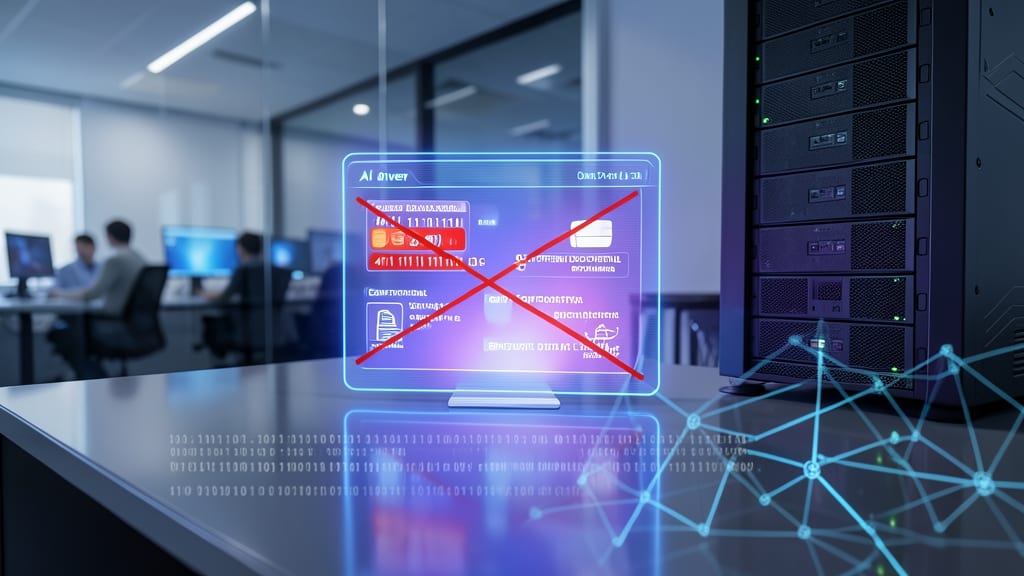
Forget hoping employees "accidentally" leave sensitive data in the wrong place—automated Data Loss Prevention (DLP) systems act as an impenetrable net, catching leaks before they happen. Unlike static firewalls, these solutions use AI-driven pattern recognition to flag and block transfers of credit card numbers, Social Security digits, or proprietary formulas—even if hidden in plain sight inside PDFs or spreadsheets.
Top solutions like Forcepoint or Symantec DLP scan email attachments, cloud uploads, and USB drives in real-time, with customizable policies that adapt to your industry’s specific risks. The best systems integrate with Microsoft 365 and Slack, so your team gets alerts when they’re about to share something they shouldn’t—without disrupting workflows. Deployment is surprisingly straightforward: cloud-based options require zero on-premise hardware, while enterprise versions offer granular reporting for compliance audits.
This is the safeguard for companies handling customer data, trade secrets, or healthcare records—where a single misplaced file could trigger fines or lawsuits. Even small businesses benefit from the automated peace of mind it provides. 💻
Multi-Factor Authentication for All Systems

Tired of relying on passwords that employees reuse across personal and work accounts? Multi-Factor Authentication (MFA) transforms your login process by adding an extra verification layer—whether through biometrics, hardware tokens, or push notifications—before granting access to any internal system.
Modern solutions like Microsoft Authenticator or Duo Security integrate seamlessly with Active Directory, Slack, and Salesforce, requiring just a tap or fingerprint scan. This eliminates the 81% of breaches linked to stolen or weak passwords, while FIDO2-compliant devices (like YubiKeys) provide phishing-resistant authentication. Even better, zero-trust frameworks now mandate MFA for all access points, making it a non-negotiable standard.
Ideal for finance, healthcare, or any team handling sensitive data, MFA turns passive security into an active shield. Start with critical applications first to build confidence before rolling out company-wide. ✨
Regular Security Awareness Training Programs

While firewalls and encryption lock down your systems, the weakest link often sits right in front of the screen—your employees. Security awareness training programs don’t just teach best practices; they simulate real-world threats, like phishing emails tailored to your industry, and measure how well your team responds in high-pressure scenarios.
Top programs like KnowBe4 or PhishMe deliver role-specific modules (e.g., executives get CEO fraud simulations, IT staff learn to spot malware delivery tactics) and track progress with customizable dashboards. Studies show these programs cut phishing click rates by 70% when combined with quarterly refreshers. The interactive approach—think gamified quizzes and "red team" exercises—keeps engagement high and skills sharp.
This isn’t a one-and-done seminar—it’s an ongoing battle against human error. Ideal for mid-sized teams to enterprises, these programs pay off fastest in industries targeted by spear-phishing, like finance or healthcare. 💡
Endpoint Detection and Response Solutions

While firewalls and antivirus tools guard your perimeter, endpoint detection and response (EDR) solutions act like cybersecurity detectives inside your network. These tools continuously monitor every device—from laptops to servers—for suspicious behavior, like employees suddenly transferring large files or installing unapproved software, often before a breach even occurs.
Modern EDR platforms like CrowdStrike or SentinelOne use AI-driven behavioral analytics to detect anomalies in real-time, such as lateral movement by malware or data exfiltration attempts. They don’t just flag threats—they provide automated response actions, like isolating infected devices or blocking malicious processes, with minimal human intervention. For organizations with hybrid or remote workforces, this means catching threats that traditional security tools might miss.
This is especially valuable for IT security teams managing complex environments, as it reduces the time to detect and respond to threats by up to 80%. The best part? It works silently in the background, so your team stays focused on innovation—not fire drills. ✨
Secure Document Management Policies
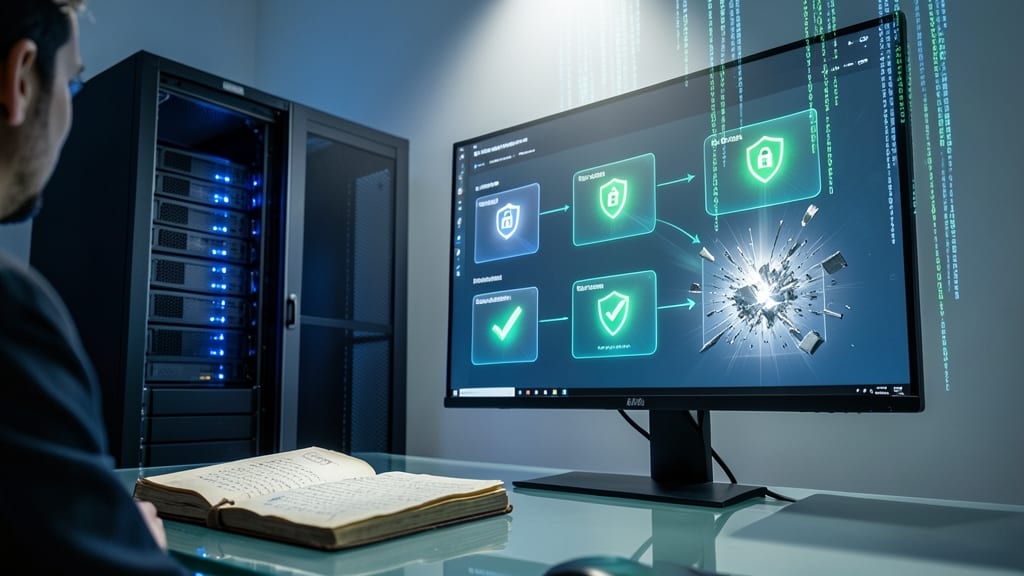
Tired of chasing down outdated documents or scrambling to meet compliance deadlines? Secure Document Management Policies automate the entire lifecycle of sensitive files—from creation to destruction—while keeping unauthorized eyes out.
This system combines AES-256 encryption for files at rest and in transit, version control to track every edit, and automated expiration that deletes documents after predefined compliance periods (like GDPR’s 7-year rule). Tools like Microsoft Purview or Veeam Backup & Replication integrate with your existing workflows, adding digital watermarks and access logs without disrupting productivity.
Perfect for legal, HR, and finance teams handling contracts, payroll, or patient records—where even a single misplaced document could trigger fines or lawsuits. The best part? It works silently in the background, so your team never misses a deadline or a compliance window. ✨
Behavioral Analytics for Anomaly Detection

What if you could spot a compromised account before it became a full-blown breach? Behavioral analytics does exactly that by learning normal user patterns—like login times, file access, or data downloads—and flagging deviations in real time.
Solutions like Darktrace or Exabeam analyze thousands of data points per user, detecting anomalies such as late-night data transfers or sudden access to restricted folders. With 95%+ accuracy in identifying suspicious activity, these tools catch insider threats or compromised credentials before exfiltration begins.
Ideal for finance, healthcare, or any industry handling sensitive data, behavioral analytics transforms passive monitoring into proactive defense. 💡
Third-Party Risk Assessment Protocols
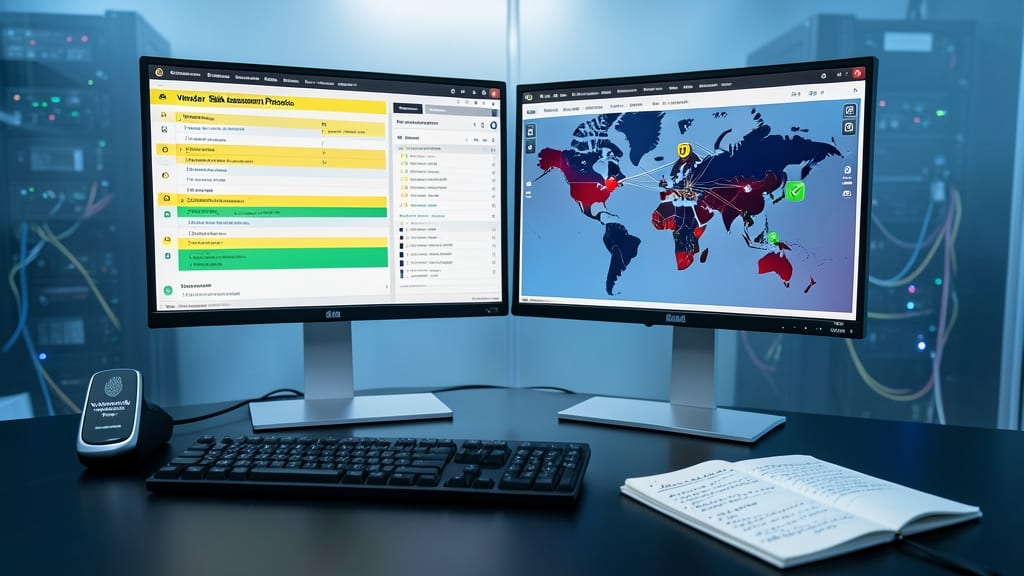
Your company’s security isn’t just about locking down internal systems—it’s also about scrutinizing every third-party vendor with access to your data. Third-party risk assessment protocols systematically evaluate vendor security posture through contractual compliance checks and automated audit trails, ensuring supply chain vulnerabilities don’t become your weakest link.
Start with standardized risk questionnaires (like NIST SP 800-53) to assess vendors’ security controls before onboarding. Then, enforce continuous monitoring through tools like ServiceNow GRC or OneTrust, which track vendor compliance in real-time. For high-risk vendors, require quarterly penetration testing and SOC 2 Type II audits—these aren’t just checkboxes, but critical barriers against breaches like the 2020 SolarWinds attack, which exploited a trusted vendor’s compromised credentials.
This safeguard is non-negotiable for industries handling HIPAA, GDPR, or PCI DSS data, but even small businesses should adopt a tiered vendor risk matrix to prioritize threats. The payoff? 90% of supply chain breaches could be prevented with proactive vendor vetting. 💪
Incident Response Simulation Drills

Think of your cybersecurity team as a fire department—until they drill for real emergencies, their response might be slow when it counts. Incident Response Simulation Drills turn hypothetical threats into hands-on practice, exposing gaps in your defenses before attackers do.
These quarterly mock breaches simulate everything from phishing attacks to system intrusions, measuring mean time to detect (MTTD) and mean time to respond (MTTR). Tools like FireEye Red Team or MITRE ATT&CK frameworks help create realistic scenarios, while automated metrics track improvements. Many organizations see a 40% annual reduction in response times after just six months of regular drills.
Perfect for mid-sized to large enterprises where security teams need to validate their playbooks, these drills also build confidence among IT staff. Start with tabletop exercises before moving to full-scale simulations for maximum impact. ✨
Continuous Vulnerability Patch Management

Forget the "set it and forget it" approach to security—continuous vulnerability patch management is the unsung hero that closes the backdoor attackers love to exploit. While other safeguards focus on blocking threats, this system actively eliminates the weaknesses that make breaches possible in the first place.
Tools like ServiceNow Vulnerability Response or Tanium scan your entire ecosystem—servers, endpoints, and even IoT devices—then auto-deploy patches prioritized by risk. Critical flaws (e.g., Log4j exploits) get fixed within hours, while lower-risk updates roll out during maintenance windows. The best solutions even integrate with your SIEM to verify patches took effect, ensuring no device slips through the cracks.
This isn’t just for Fortune 500s—small teams benefit too. Automating patches frees IT staff from manual updates, reducing human error by 90%+ while keeping systems compliant with NIST, CIS, or PCI DSS standards. For any business handling sensitive data, it’s the final layer that turns reactive security into a proactive fortress. ✨