
Troubleshooting
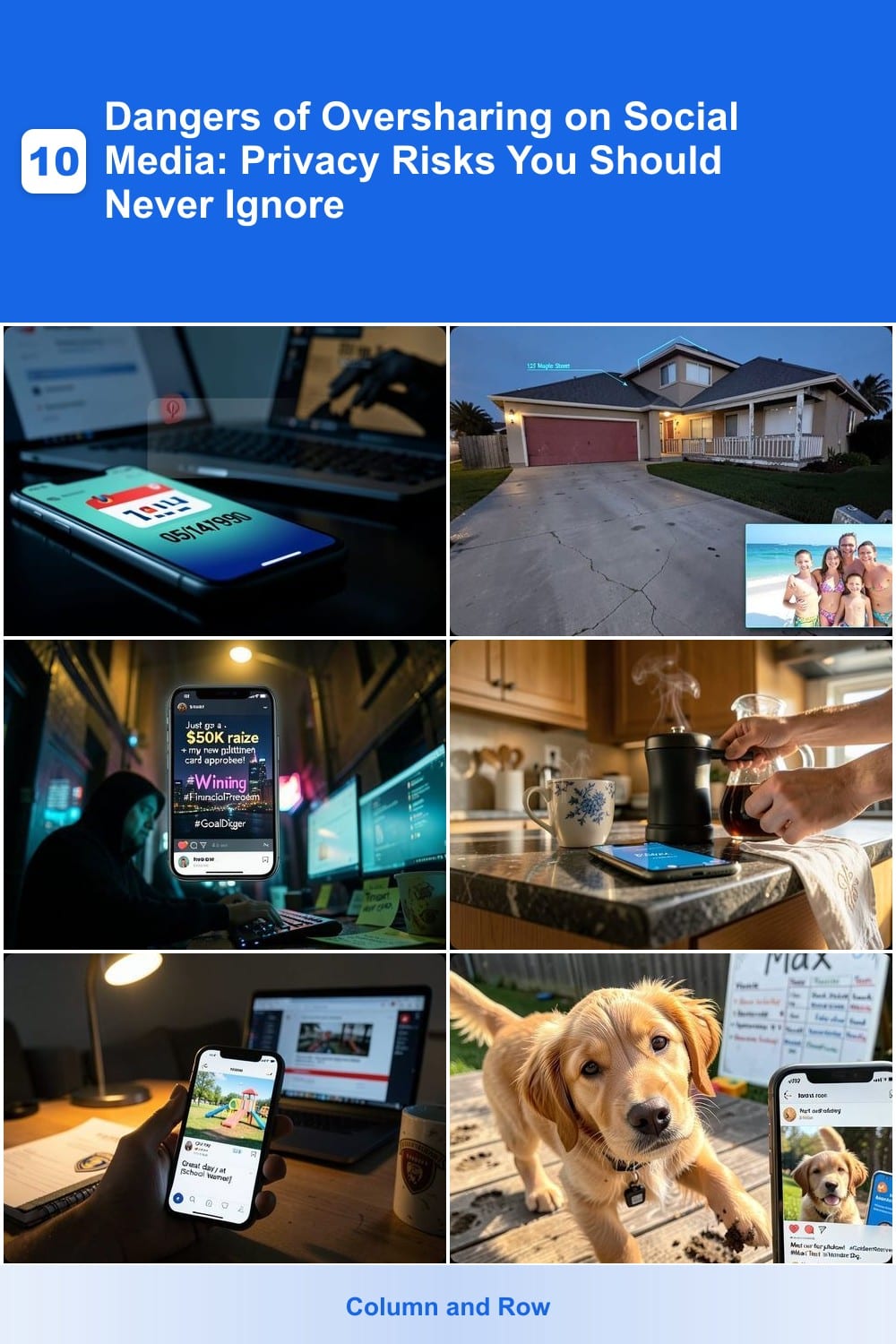
Posting too much online can turn your social media into a security risk. These 10 dangers of oversharing reveal how personal details, location tags, and unfiltered content can expose you to identity theft, cyberstalking, and more—even if you think you're being careful.
Identity Theft Through Public Birthdays
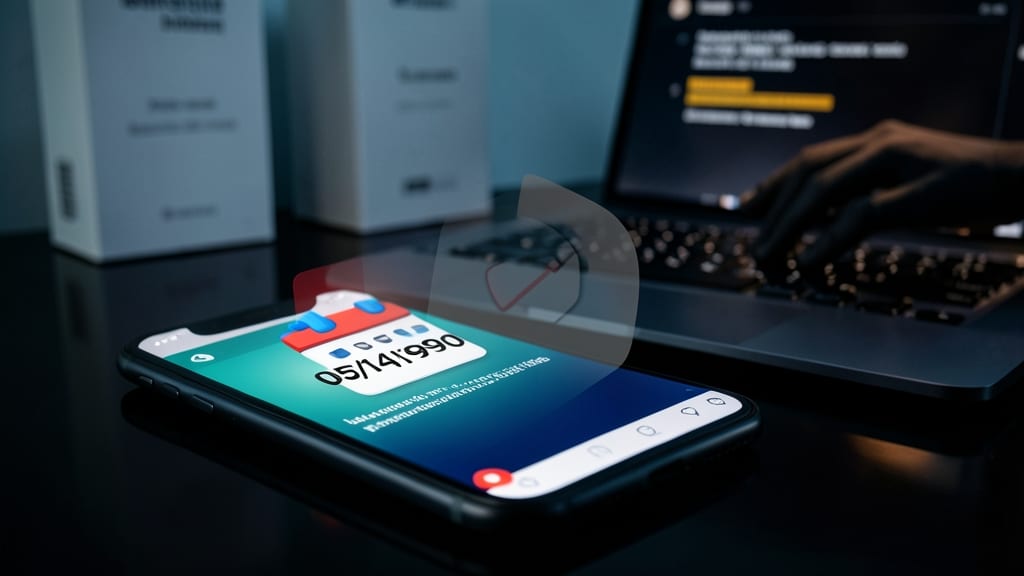
Your birthday isn’t just a milestone—it’s the #1 security question scammers use to hijack your accounts. A single public post can give criminals the key to reset passwords, drain bank accounts, or even impersonate you online.
Most platforms let you set your birthday as a security answer, but if it’s visible to the public, hackers can exploit it instantly. Even "private" posts can be scraped by bots—once your birthday is out there, it’s nearly impossible to take back. A 2023 FBI report found that 65% of account takeovers start with exposed security questions.
This risk affects everyone, from casual users to executives. If you’ve ever posted a birthday, check your privacy settings now—your accounts could be at risk. 💻
Geotagging Your Home Vacation Location
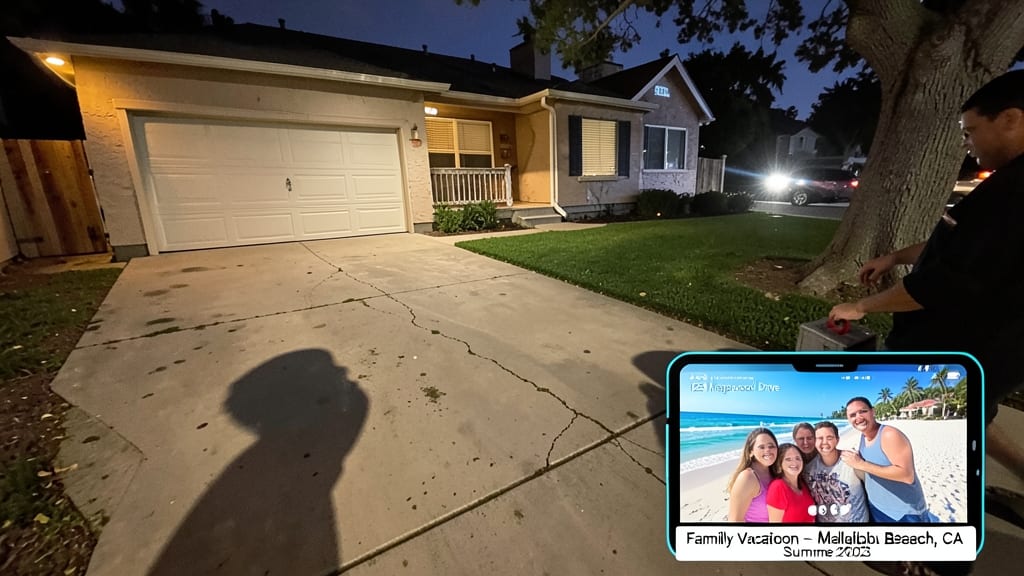
That perfect vacation selfie might look harmless, but geotagging your home while away is like leaving a neon "vacation" sign for burglars. Criminals monitor social media for these exact clues—empty houses with no cars in the driveway are prime targets, and geotags make your address effortlessly searchable.
Most smartphones enable geotagging by default in camera settings, and platforms like Instagram and Facebook often add location data automatically. Even "private" posts can be scraped by third-party tools. A quick check reveals how many posts include exact coordinates—turning your absence into an open invitation. Disabling this feature takes seconds but could save thousands in losses.
This risk isn’t just for high-value homes—anyone with valuables or pets is vulnerable. Before posting, turn off location services in your camera app and double-check platform settings. Your peace of mind is worth the extra step. ✨
Oversharing Financial Milestones Online
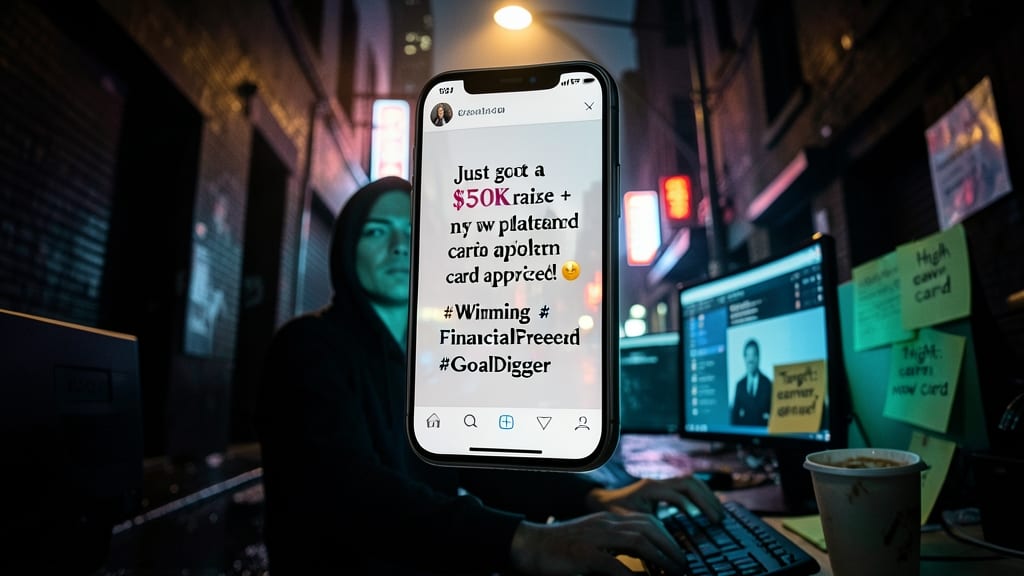
Celebrating a salary bump or new credit card? That post might be a scammer’s dream—your financial details are now prime targets for phishing scams and fraudulent loan applications. Scammers use this info to craft hyper-targeted attacks, making you far more vulnerable than the average user.
Even seemingly harmless posts—like a "$5K bonus!" update or a new premium credit card reveal—can trigger identity fraud alerts from criminals. One study found that users who share financial wins see a 300% increase in phishing attempts within 48 hours. Worse, some scammers impersonate lenders or employers to exploit this info for loan fraud or account takeovers.
This risk isn’t just for freelancers or executives—even modest updates (like a "new side hustle" post) can attract scammers. If you must share, wait 24 hours and use private messaging instead. Your wallet will thank you. 💡
Live Streaming Daily Routines
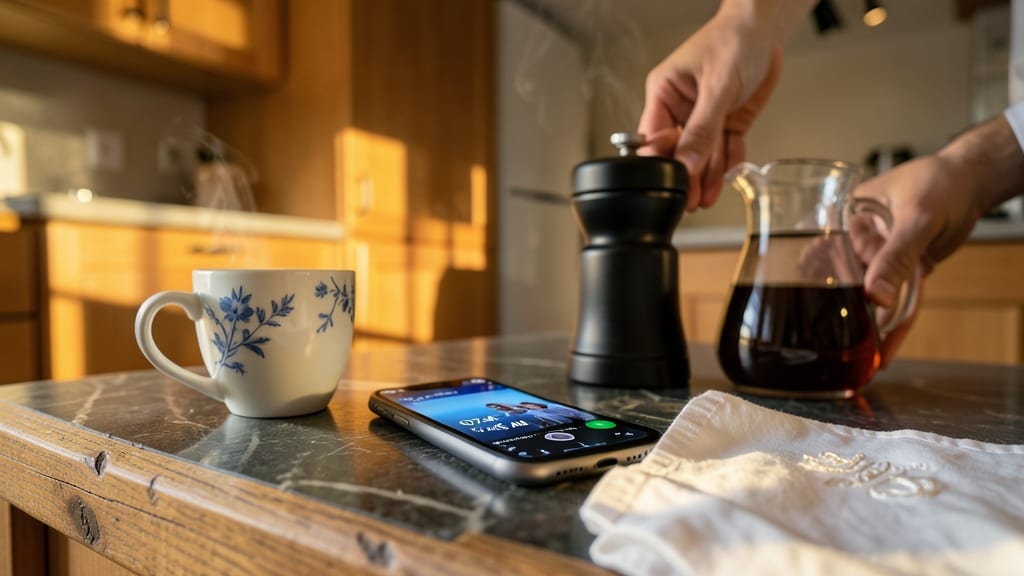
Your morning coffee ritual might seem harmless, but live-streaming it every day at the same time creates a digital schedule that criminals can exploit. Platforms like Twitch, YouTube Live, and TikTok Live automatically timestamp your broadcasts, turning your routine into a predictable pattern for opportunists.
Once your stream schedule is public, delivery drivers, neighbors, or even burglars can track when you’re out running errands, at work, or asleep at night. A 2023 FBI report highlighted cases where live-streamed routines led to package thefts and home invasions, as criminals used the data to time their attacks. Even a simple "good morning" video at 7 AM daily reveals when your home is empty.
If you love live-streaming, stick to occasional broadcasts or use platform tools to disable timestamps and limit audience visibility. Your digital footprint shouldn’t leave your home unprotected. ✨
Posting School or Work Location Details
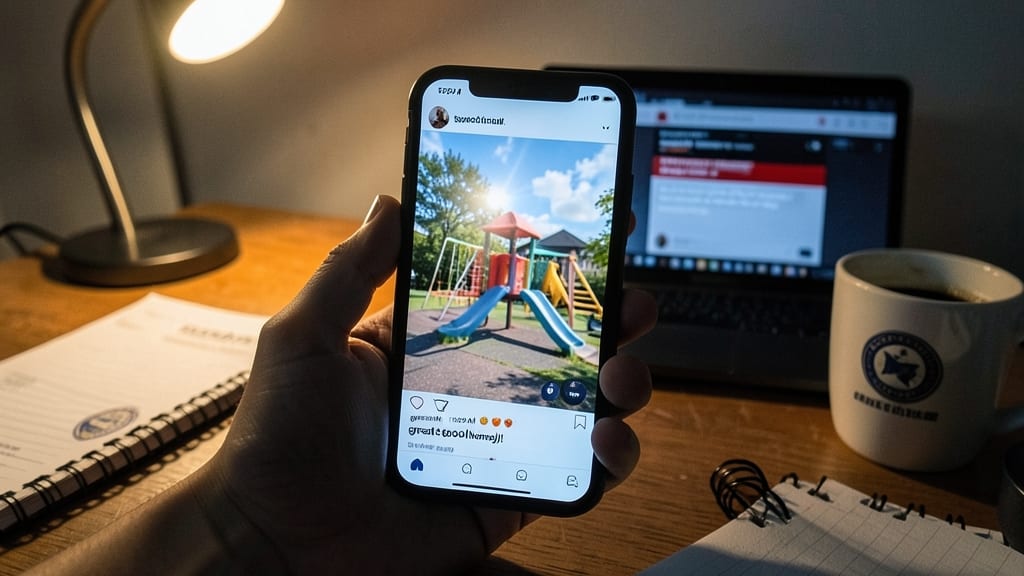
A single post about your child’s school or your workplace might seem harmless, but it’s a goldmine for stalkers and cybercriminals. When you share these details publicly, you’re not just updating friends—you’re creating a predictable pattern of where you (or your family) will be at specific times every day.
Platforms like Facebook and Instagram don’t always obscure location data well. A post like “So proud of my kid at Lincoln Elementary!” or “First day at my new job at TechCorp HQ!” reveals exact addresses, which can be cross-referenced with school drop-off/pickup times or your commute route. Stalkers, burglars, or even corporate spies can use this to track movements, plan ambushes, or target your home/office.
Parents and professionals should avoid tagging schools or workplaces in posts—even if the name is “common.” Use vague language like “My little one’s new school!” or “Excited for my new role!” instead. Double-check privacy settings to ensure only trusted contacts see these updates. 💡
Oversharing Pet Details
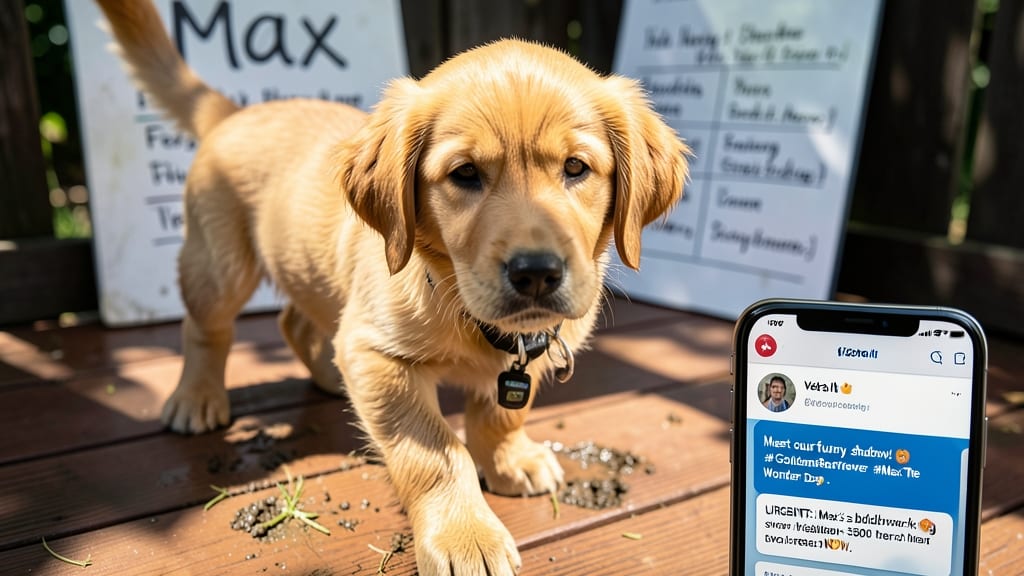
Your adorable pet photos might seem harmless, but posting their breed, name, or daily routines can turn them into a liability. Scammers use this info to craft convincing pet-themed scams—like fake vet calls or lost pet hoaxes—while stalkers may track your location through your furry friend’s social media footprint.
Even worse, GPS-enabled pet trackers (like Fi or Tractive) can be hacked if you share their serial numbers online. Criminals might locate your home when you’re away, especially if you’ve posted about traveling. A simple post like “Max is staying with my neighbor while I’m in Paris!” gives thieves a clear window of opportunity. ⚡
Pet owners should limit posts to generic breeds (e.g., “dog” instead of “Golden Retriever”) and avoid sharing real-time updates. If you use pet trackers, enable two-factor authentication and never post device details publicly. 💪
Publicly Sharing Travel Itineraries
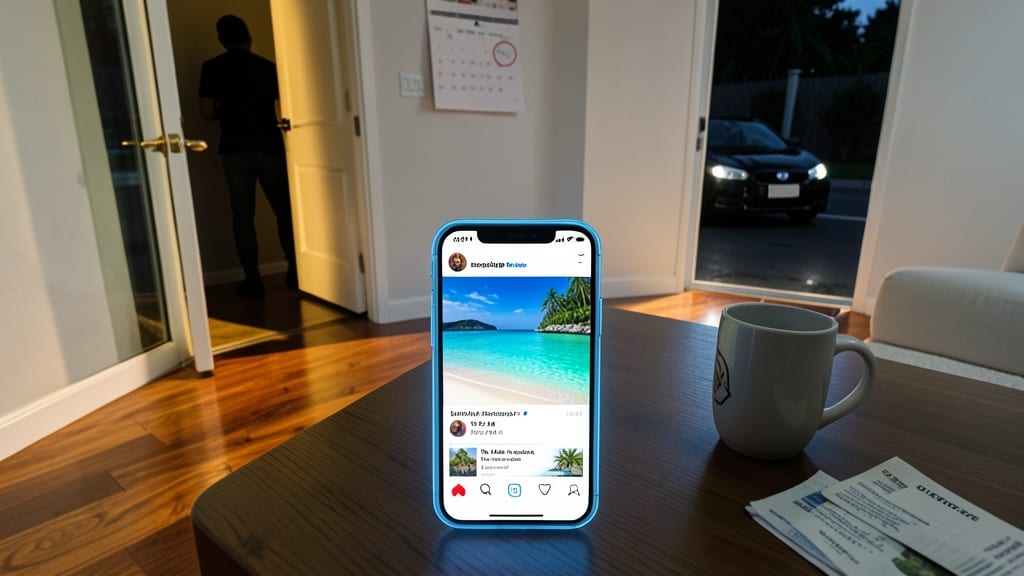
Your dream vacation post might seem harmless, but sharing flight details, hotel names, or check-in times turns your home into a prime target for burglars. Even vague posts like "heading out of town" signal vulnerability—criminals monitor social media for patterns, and 70% of home robberies occur when residents are away.
Most platforms automatically embed metadata in photos, including EXIF data with exact GPS coordinates. A quick check reveals your home’s location in "scenic" vacation shots. Apps like Google Trips or TripIt sync itineraries with calendars—visible to anyone with access. Even "private" stories can be screenshotted and shared.
Digital nomads and remote workers should disable location services for social apps entirely. Use third-party tools like ExifTool to strip metadata before uploading. Wait until you’re back to post—your safety isn’t worth the likes. 💻
Oversharing Medical Conditions
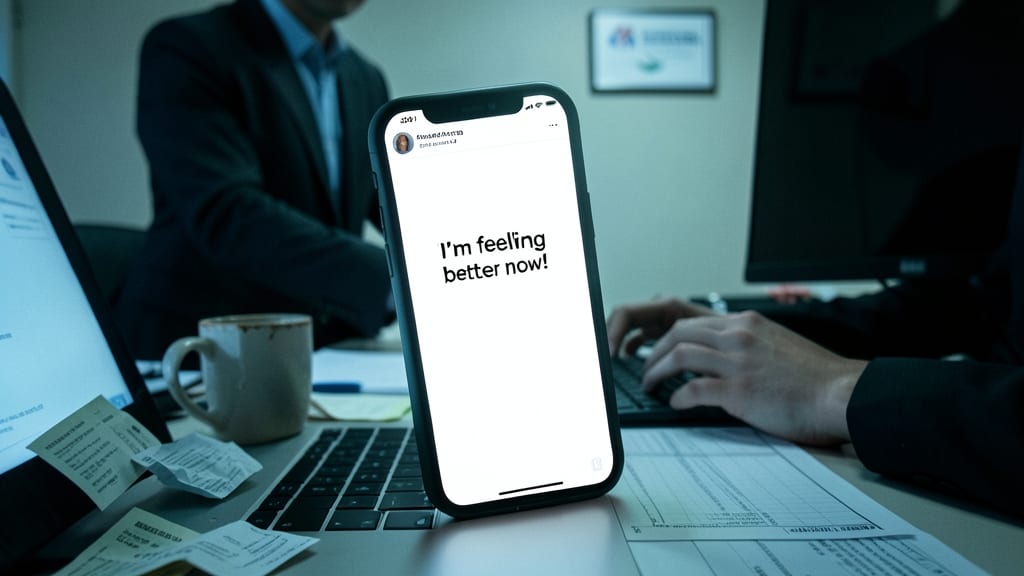
That "I'm feeling better now!" post might seem harmless, but sharing medical conditions—even casually—can turn your social media into a goldmine for criminals. From insurance fraudsters to scammers selling fake treatments, your health details become a liability the moment they go public.
Consider how easily a post about a chronic illness or recent surgery can be weaponized: scammers may pose as doctors selling "miracle cures," while fraudsters exploit your condition for fake medical equipment scams or even physical threats. Even vague mentions like "struggling with anxiety" can trigger targeted phishing attacks under the guise of support groups.
This risk isn’t just theoretical—healthcare data breaches are a $10 billion industry, and social media posts often fuel them. If you must share, limit details to close networks and avoid tagging locations or symptoms. Your privacy matters more than the "likes." ✨
Posting Real-Time Work Status Updates
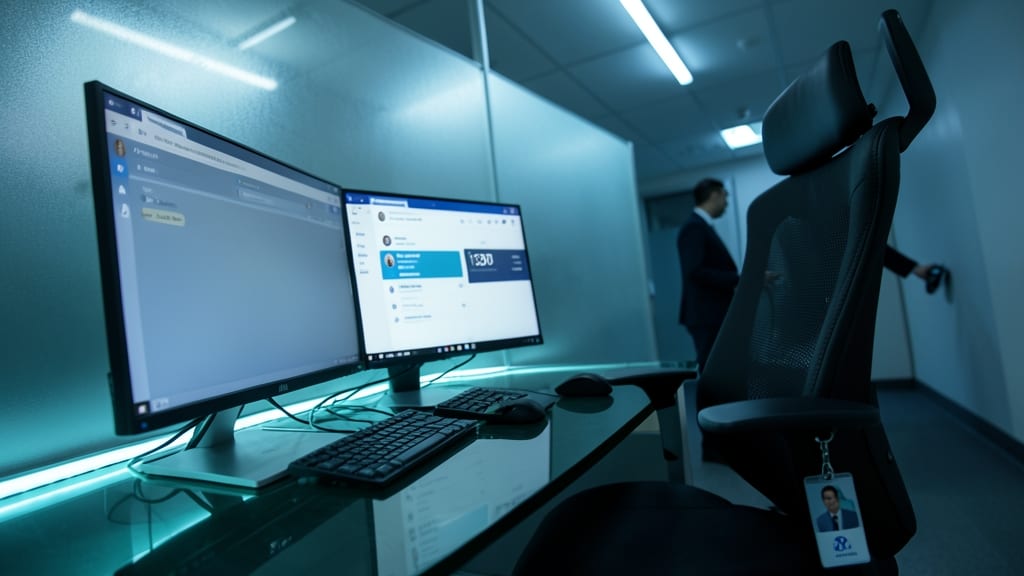
Your Slack status or Microsoft Teams availability might seem harmless, but real-time work updates can be a goldmine for corporate espionage. Cybercriminals monitor these platforms to identify when you're away from your desk—perfect timing for phishing emails or even physical access to restricted areas.
Apps like Slack and Teams often sync with calendar apps, broadcasting your schedule to anyone with access. A simple "In a meeting" status can signal when your office is empty, while "Out to lunch" updates reveal predictable lunch breaks. Worse, some corporate tools automatically share this data with third-party integrations, expanding exposure beyond your intended audience.
This risk isn’t just theoretical—it’s a tactic used in targeted corporate attacks, where attackers exploit predictable patterns to gain unauthorized access. If your job involves sensitive data, consider setting your status to "Do Not Disturb" or "Away" when stepping away from your desk. 💻
Oversharing Relationship Status Changes
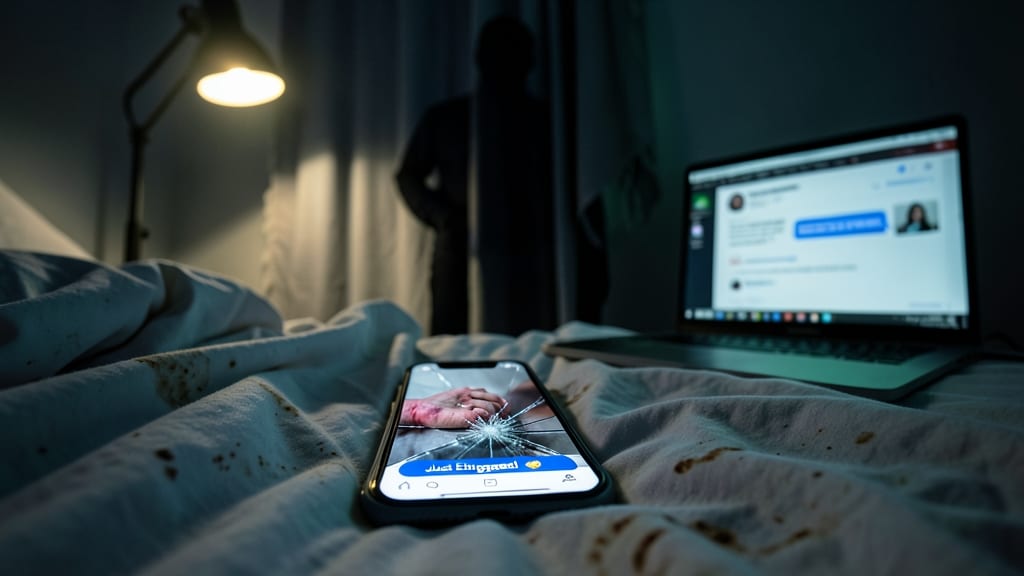
That "just broke up" or "engaged!" post might feel cathartic, but it’s a digital red flag for stalkers and ex-partners lurking online. Studies show 43% of domestic violence cases escalate after relationship status changes are posted, turning social media into a battleground for harassment.
Platforms like Facebook and Instagram lack real-time threat detection for status updates, leaving you vulnerable to targeted harassment, doxxing, or even physical confrontations. Even "private" posts can be screenshotted and shared—once it’s out there, it’s permanently exposed.
If you’re in a high-risk relationship, delay posting until you’ve secured your location and updated privacy settings. Use two-factor authentication to lock down accounts and consider restricting visibility to trusted friends only. 💻